If you're driving a Subaru in Grand Forks, ND, you already know that North Dakota winter weather arrives quickly and hits hard. Subaru winter tire replacement is one of the most important steps you can take to stay safe when temperatures plummet and roads get slick with snow and ice. The good news is that checking your tires before the season changes doesn't require special tools or a lot of time—just knowing what to look for.
Why Winter Readiness Starts With Your Tires
Subaru vehicles come standard with Symmetrical All-Wheel Drive, which distributes power evenly to all four wheels for better traction on wet, icy, and snowy roads. But even the best all-wheel drive system can't overcome tires that are worn, cracked, or underinflated. Your tires are the only point of contact between your vehicle and the road, so their condition matters more than almost any other factor when winter driving conditions hit the Red River Valley.
Key Subaru Tire Replacement Signs to Watch For
One of the most reliable Subaru tire replacement signs is tread wear. Most tires include built-in wear indicators—small rubber bars molded into the grooves of the tire. When the tread wears down to the level of those bars, it's time to replace the tire. You can also use the penny test: insert a penny into the tread groove with Lincoln's head pointing down. If you can see the top of his head, your tread is too low for safe driving.
Uneven wear is another red flag. If one side of a tire is more worn than the other, or if the center is worn more than the edges, that points to alignment, inflation, or suspension issues that need attention before severe winter weather arrives.
Understanding Subaru Tire Tread Depth
Subaru tire tread depth is measured in 32nds of an inch. New tires typically start with 10/32 to 11/32 of an inch of tread. The legal minimum in most states is 2/32 of an inch, but for North Dakota winter driving, tire experts recommend replacing tires at 4/32 of an inch or more. At that depth, tires lose a significant amount of their ability to channel slush, snow, and water away from the contact patch, which drastically increases stopping distances on frozen roads.
A simple way to check for 4/32 of an inch is to use a quarter instead of a penny. Insert the quarter into the tread groove with Washington's head pointing down. If you can see the top of his head, you're at or below 4/32 of an inch—a clear indicator that Subaru winter tire replacement should be on your to-do list before the first heavy snowfall.
Other Warning Signs That Shouldn't Be Ignored
Beyond tread depth, look for visible cracking or bulging on the sidewalls. Sidewall cracks can develop from age and extreme temperature swings, weakening the tire's structural integrity. A bulge or bubble in the sidewall is a sign of internal damage and means the tire should be replaced immediately—it's a blowout risk at any speed.
Also pay attention to how your Subaru handles. If you notice vibration through the steering wheel, pulling to one side, or a rough ride that wasn't there before, your tires may be the cause. These symptoms can also indicate the need for balancing or alignment, both of which affect how evenly your tires wear over time.
Get Your Tires Checked at Grand Forks Subaru
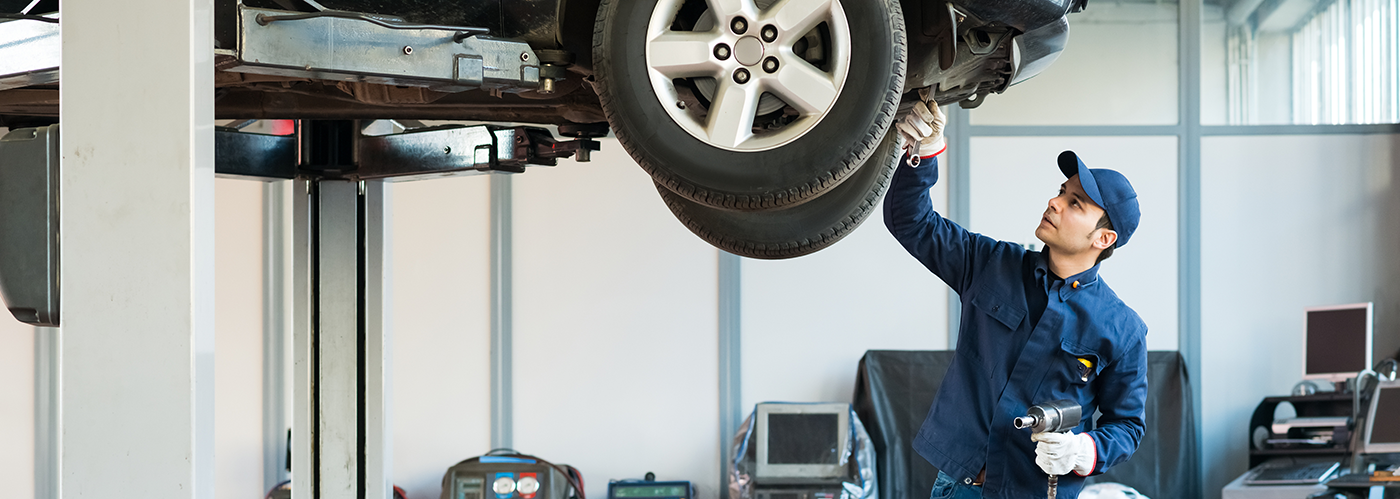
Heading into winter with confidence means starting with tires you can trust. If you're unsure about the condition of your current tires, the service team at Grand Forks Subaru can inspect your tread depth, check for sidewall damage, and help you find the right replacement tires or winter tire set for your Subaru model. Drivers throughout Grand Forks, ND, can visit https://www.grandforkssubaru.com/service/appointment.htm