Blog / Tire Rotation and Alignment

Blog

All Tire Rotation and Alignment Grand Forks Subaru Dealer Grand Forks Subaru Subaru Dealer Grand Forks Subaru Service Car Finance Grand Forks Used Cars Subaru Service Used Subaru Pre-Owned Subaru Regular Maintenance Subaru Ascent Symmetrical All-Wheel Drive system Oil change Subaru BRZ Subaru SUV 2026 Subaru Ascent 2026 Subaru BRZ 2026 Subaru Forester Wilderness 2026 Subaru Outback 2026 Subaru Uncharted Auto Loan Best Deal on Auto Repair Services Credit Application Current offers Proper tire care Subaru Finance Subaru Financing Subaru Forester Wilderness Subaru Test Drive Trade-In Car Trade-In Value
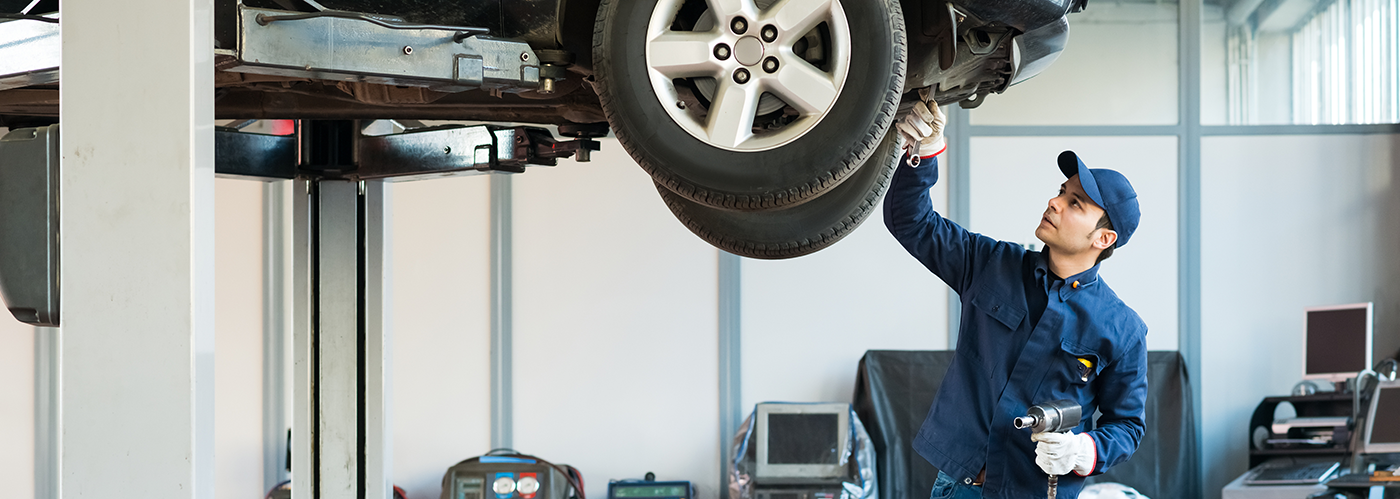
Technician working on a tire

How Do I Know If My Subaru Needs New Tires Before Winter?

If you're driving a Subaru in Grand Forks, ND, you already know that North Dakota winter weather arrives quickly and hits hard. Subaru winter tire replacement is one of the most important steps you can take to stay safe when temperatures plummet and roads get slick with snow and ice. The good news is that checking your tires before the season changes doesn't require special tools or a lot of time—just knowing what to look for. Why Winter Readiness Starts With Your Tires Subaru vehicles come standard with Symmetrical All-Wheel Drive, which distributes power evenly to all four wheels for better traction on wet, icy, and snowy roads. But even the best all-wheel drive system can't overcome tires that are worn, cracked, or underinflated. Your tires are the only point of contact between your vehicle and the road, so their condition matters more than almost any other factor when winter driving conditions hit the Red River Valley. Key Subaru Tire Replacement Signs to Watch For One of the most reliable Subaru tire replacement signs is tread wear. Most tires include built-in wear indicators—small rubber bars molded into the grooves of the tire. When the tread wears down to the level of those bars, it's time to replace the tire. You can also use the penny test: insert a penny into the tread groove with Lincoln's head pointing down. If you can see the top of his head, your tread is too low for safe driving. Uneven wear is another red flag. If one side of a tire is more worn than the other, or if the center is worn more than the edges, that points to alignment, inflation, or suspension issues that need attention before severe winter weather arrives. Understanding Subaru Tire Tread Depth Subaru tire tread depth is measured in 32nds of an inch. New tires typically start with 10/32 to 11/32 of an inch of tread. The legal minimum in most states is 2/32 of an inch, but for North Dakota winter driving, tire experts recommend replacing tires at 4/32 of an inch or more. At that depth, tires lose a significant amount of their ability to channel slush, snow, and water away from the contact patch, which drastically increases stopping distances on frozen roads. A simple way to check for 4/32 of an inch is to use a quarter instead of a penny. Insert the quarter into the tread groove with Washington's head pointing down. If you can see the top of his head, you're at or below 4/32 of an inch—a clear indicator that Subaru winter tire replacement should be on your to-do list before the first heavy snowfall. Other Warning Signs That Shouldn't Be Ignored Beyond tread depth, look for visible cracking or bulging on the sidewalls. Sidewall cracks can develop from age and extreme temperature swings, weakening the tire's structural integrity. A bulge or bubble in the sidewall is a sign of internal damage and means the tire should be replaced immediately—it's a blowout risk at any speed. Also pay attention to how your Subaru handles. If you notice vibration through the steering wheel, pulling to one side, or a rough ride that wasn't there before, your tires may be the cause. These symptoms can also indicate the need for balancing or alignment, both of which affect how evenly your tires wear over time. Get Your Tires Checked at Grand Forks Subaru Heading into winter with confidence means starting with tires you can trust. If you're unsure about the condition of your current tires, the service team at Grand Forks Subaru can inspect your tread depth, check for sidewall damage, and help you find the right replacement tires or winter tire set for your Subaru model. Drivers throughout Grand Forks, ND, can visit https://www.grandforkssubaru.com/service/appointment.htm / to schedule a service appointment and make sure their Subaru is ready for whatever winter brings.

Mechanic holding wrenches and giving a thumbs-up next to an open car hood

Subaru Maintenance Services Every Owner Should Know About

Owning a Subaru means investing in a vehicle built for the long road ahead. To protect that investment, following a consistent maintenance schedule remains critical. If you drive a Forester through snowy North Dakota winters or commute daily in a Crosstrek, routine care keeps your vehicle performing at its peak. Contact the team at Grand Forks Subaru in Grand Forks, ND, to learn more about preserving your vehicle and to get expert guidance from our staff. Why a Subaru Service Schedule Matters Subaru builds vehicles with precision engineering, but all cars need regular care. Staying current with your service schedule prevents small issues from turning into costly repairs. It preserves your vehicle's long-term value and keeps safety systems functioning correctly. Skipping scheduled maintenance accelerates wear on critical components. Oil Changes and Fluid Services The oil change forms the foundation of routine maintenance. Fresh engine oil reduces friction, removes contaminants, and helps your engine run efficiently. Most modern Subaru models require an oil change every 6,000 miles under normal driving conditions. Technicians should also inspect and replace transmission fluid, coolant, and brake fluid at the intervals outlined in your owner's manual. Tire Rotations and Brake Inspections Because nearly every Subaru features Symmetrical All-Wheel Drive, even tire wear remains crucial. Uneven wear stresses the drivetrain and reduces traction. Rotate your tires every 6,000 miles as a standard maintenance step to extend tire life. Technicians should perform brake inspections simultaneously, since worn brake pads compromise safety and stopping performance. Multi-Point Inspections and Filter Replacements A thorough multi-point inspection adds tremendous value to your repair visits. Technicians evaluate everything from belts and hoses to battery health. Replace engine air filters every 15,000 to 30,000 miles, depending on driving conditions. Cabin air filters affect interior air quality and require replacement at similar intervals to maintain a fresh cabin. Timing Components and Spark Plugs As your Subaru accumulates miles, prioritize longer-interval services. Spark plugs generally need replacement around 60,000 miles. Timing belt or chain inspections become relevant at higher mileage intervals depending on your specific engine. Completing these services prevents serious engine issues down the road. Visit Grand Forks Subaru for Your Next Service Drivers in Grand Forks, ND, can rely on trained technicians who know Subaru vehicles inside and out. Keeping up with your maintenance schedule becomes a straightforward part of owning a vehicle you can trust for years to come. Schedule your next appointment at Grand Forks Subaru to keep your car running the way the manufacturer intended.

The Importance of Tire Rotation and Alignment for Your Safety

Why Tire Rotation and Alignment Matter Grand Forks Subaru provides tire rotation and alignment to keep your vehicle safe. These tasks are important for regular maintenance, and they help your tires last for a longer time. Proper tire care ensures the car performs well in different road conditions. Tire rotation means moving the tires to different spots on the car. This helps them wear down at the same rate. If tires do not wear the same way, the car may lose grip in rain or snow. Alignment makes sure the tires are at the right angle. If wheels are not straight, the car might pull to 1 side. This uses more fuel and makes tires wear out fast. Benefits of Regular Tire Rotation Rotating tires helps the car handle better, and it saves money by making tires last longer. Subaru cars work best when all 4 tires have the same amount of wear. If tires wear differently, the Symmetrical All-Wheel Drive system might not work as well as it should. Owners should rotate tires every 5,000 to 7,000 miles. This ensures that every tire wears down at a similar speed. This is helpful for Grand Forks, ND, drivers who drive on ice or gravel roads. Even wear helps the car stay stable in difficult conditions. The Role of Wheel Alignment in Safety Alignment is a key part of keeping a vehicle safe and efficient. Bad alignment leads to tires wearing out too fast, and it makes steering more difficult. Small problems with alignment can turn into big safety issues over time. Subaru builds cars with high precision for better handling, and correct alignment lets these parts work the right way. Drivers in Grand Forks, ND, need good alignment to drive safely on snow or rough ground. How to Know When You Need Service Drivers should look for signs of tire issues. These signs include uneven tread, the car pulling to 1 side, or a shaking steering wheel. If the car uses more fuel or does not turn well, the alignment might be wrong. Grand Forks Subaru has tools to fix these issues on Subaru models. If you drive a Subaru Outback, Crosstrek, or Forester, regular service helps keep the safety features working. Schedule Your Service Today Grand Forks Subaru wants to keep you safe on the road. You can schedule a tire rotation or alignment to make sure your car works well. Visit the website for Grand Forks Subaru or talk to the service team for more help.

Contact Us

Fill out this form below and we'll contact you shortly
*Required Fields